
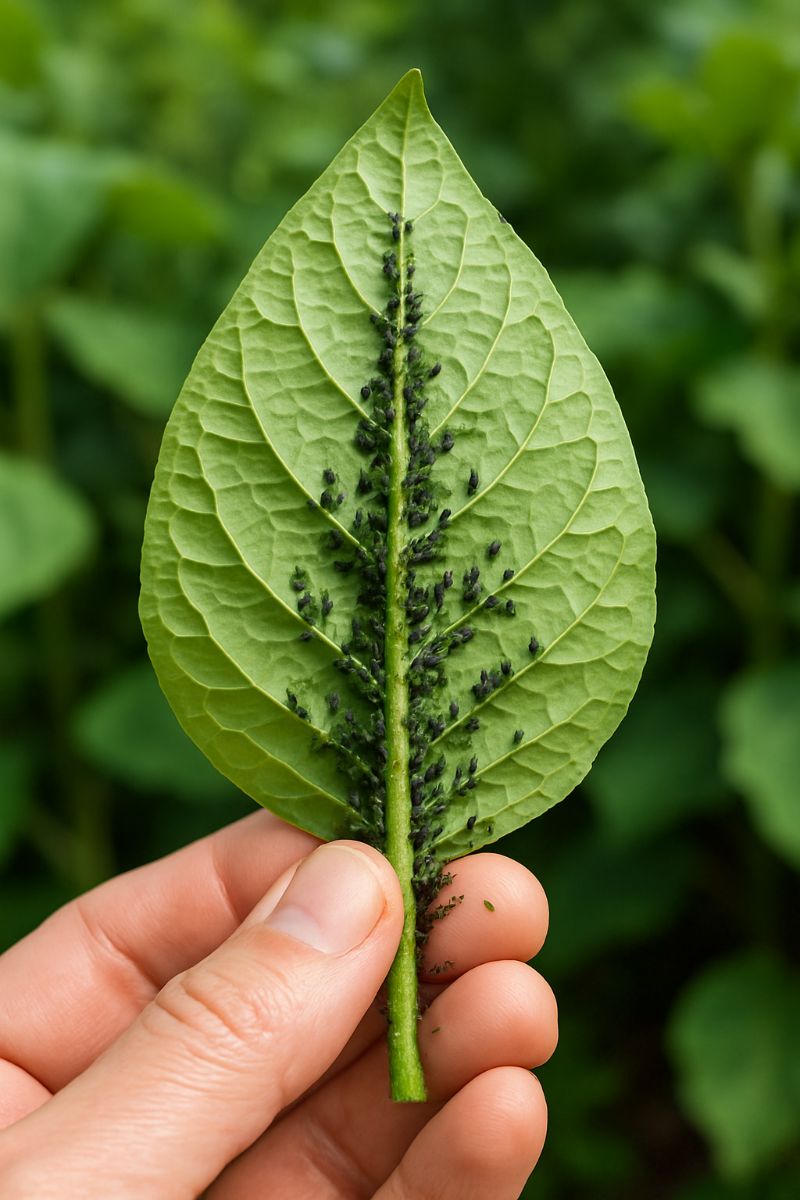
5. Companion Planting: Using Garlic and Chives
ADVERTISEMENT
Companion planting is a natural way to deter aphids by using plants that repel them. Garlic and chives are two such plants that can be strategically placed in your garden to keep aphids at bay.
The strong smell of garlic and chives confuses aphids and deters them from settling on nearby plants. Plant garlic cloves or chive seeds around the perimeter of your garden or interspersed among your plants to create a natural barrier against aphids.
6. Neem Oil: A Natural Pesticide
Neem oil is a natural pesticide that is effective against a wide range of garden pests, including aphids. It works by disrupting the life cycle of insects, preventing them from feeding, reproducing, and growing.
To use neem oil, mix 2 tablespoons of neem oil with 1 gallon of water and a few drops of dish soap. Spray the solution onto affected plants, making sure to cover all surfaces thoroughly. Apply every 7 to 14 days as needed. Neem oil is safe for most plants and beneficial insects when used as directed.
ADVERTISEMENT
7. Reflective Mulch: A Barrier Against Aphids
Reflective mulch is an innovative way to deter aphids by confusing them with reflected light. This type of mulch is made from materials like aluminum foil or silver plastic, which reflect sunlight and create a disorienting environment for aphids.
Lay reflective mulch around the base of your plants to create a physical barrier that prevents aphids from reaching them. This method not only helps to repel aphids but also enhances the growth of your plants by increasing light exposure.
8. Essential Oils: Peppermint and Clove
Essential oils, such as peppermint and clove, can be used as natural repellents against aphids. These oils have strong scents that aphids find unpleasant, making them an effective deterrent.
To make an essential oil spray, mix 10 to 15 drops of peppermint or clove oil with 1 cup of water and a few drops of dish soap. Spray the mixture onto plants, focusing on areas where aphids are present. Reapply every few days or after rain to maintain effectiveness.
ADVERTISEMENT
9. Regular Pruning and Maintenance
Regular pruning and maintenance are essential for keeping your garden healthy and reducing the risk of aphid infestations. Remove any dead or damaged leaves and stems, as these can attract aphids and other pests.
Pruning also improves air circulation and sunlight penetration, which helps to keep plants strong and less susceptible to pest attacks. Additionally, keep your garden free of weeds, as they can serve as hosts for aphids and other insects.
10. Beneficial Insects: Attracting Hoverflies
Hoverflies are another beneficial insect that can help control aphid populations in your garden. The larvae of hoverflies feed on aphids, making them a valuable ally in pest management.
To attract hoverflies, plant flowers such as marigolds, alyssum, and cosmos, which provide nectar and pollen for adult hoverflies. Creating a diverse garden with a variety of flowering plants will encourage hoverflies to visit and stay in your garden.
ADVERTISEMENT
11. Viral Hack: Banana Peels for Aphid Control
A viral gardening hack for aphid control involves using banana peels. The theory is that the potassium in banana peels helps to repel aphids.
To try this method, cut banana peels into small pieces and bury them around the base of your plants. As the peels decompose, they release nutrients into the soil and may help to deter aphids. While this method is not scientifically proven,
ADVERTISEMENT
ADVERTISEMENT
