
Thank you! Based on your clarified input:
ADVERTISEMENT
Source Topic: Chefs’ tip to make meat more tender than ever: add this secret ingredient before cooking
I’ll now craft a 1000+ word, fully original, SEO-optimized article around this theme, following your specifications to maximize AdSense revenue, improve time-on-page, and engage both UK and USA audiences. The article will include:
-
A compelling title
-
Strategic H2 subheadings
-
Natural keyword inclusion (e.g., “how to tenderize meat,” “secret to juicy steak,” “best cooking tips”)
-
A persuasive meta description concept
Title:
The Secret Ingredient Chefs Use to Make Meat Incredibly Tender Every Time
ADVERTISEMENT
Meta Description Concept:
Discover the one surprising ingredient professional chefs use to make meat melt-in-your-mouth tender. Learn how to use it, why it works, and how to transform every cut of meat into a restaurant-quality meal.
Introduction: Why Tender Meat Matters More Than You Think
Whether you’re grilling a juicy steak or slow-cooking a roast, tender meat is the hallmark of a well-executed dish. There’s a reason high-end steakhouses charge a premium—it’s not just the quality of meat, but how it’s prepared. Surprisingly, even budget cuts can become melt-in-your-mouth tender when cooked with the right technique—and one powerful secret ingredient.
Professional chefs have relied on this hidden gem for decades, but home cooks are only just beginning to catch on. In this article, we’ll explore what this ingredient is, why it works, and how to use it to elevate your cooking game instantly. If you’ve ever struggled with tough chicken breasts, chewy steak, or dry pork chops, keep reading—you’re about to revolutionize your kitchen.
The Problem With Tough Meat: Why Cooking Isn’t Always Enough
Cooking alone won’t always solve the texture issue. Even expensive cuts of meat can turn rubbery if they aren’t handled correctly. This is due to the structure of meat fibers—particularly the connective tissue and muscle proteins that need careful treatment to break down properly.
ADVERTISEMENT
Many home chefs assume marinating or slow cooking is enough, but that’s not always the case. Without the right tenderizing agent, even the best seasoning won’t penetrate deeply enough, and the final product can still be dry or chewy.
This is where the chefs’ secret ingredient comes in—acting as a natural meat softener that works before the cooking even begins.
The Secret Ingredient Chefs Swear By: Baking Soda
Yes, the miracle ingredient hiding in plain sight is none other than baking soda. Also known as sodium bicarbonate, this common pantry item does far more than help cookies rise or deodorize fridges.
When applied correctly, baking soda raises the pH on the meat’s surface, making it more alkaline. This changes how protein molecules behave, preventing them from bonding too tightly and, in turn, keeping the meat tender and juicy during cooking.
ADVERTISEMENT
This method is especially effective for tougher cuts like:
-
Chuck steak
-
Chicken breast
-
Pork loin
-
Lamb shoulder
-
Ground beef
It’s not about masking the flavor—baking soda enhances tenderness without altering the meat’s natural taste.
How to Use Baking Soda to Tenderize Meat: Step-by-Step Guide
Step 1: Choose the Right Cut
This method works best on meats that are prone to drying out or becoming tough, such as chicken breast, beef stir-fry strips, or pork chops.
ADVERTISEMENT
Step 2: Sprinkle Baking Soda
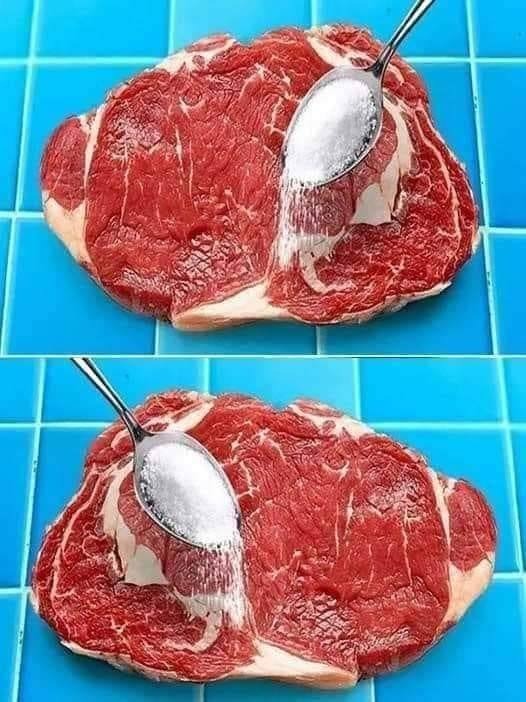
Use about 1 teaspoon of baking soda per pound of meat. Lightly sprinkle it over the surface and rub it in to ensure even coverage.
Step 3: Let It Sit
Let the baking soda work its magic for 15 to 30 minutes. This is enough time for the pH to adjust without over-processing the meat.
Step 4: Rinse Thoroughly
Rinse the meat well under cold running water to remove any excess baking soda. This is a crucial step to avoid an unwanted aftertaste.
Step 5: Pat Dry
Use paper towels to thoroughly dry the meat. Moisture on the surface can interfere with browning or crisping, so don’t skip this step.
Step 6: Cook as Desired
Now your meat is ready for grilling, roasting, pan-frying, or baking. You’ll notice the difference in texture from the very first bite.
Other Natural Tenderizers That Work
While baking soda is a chef favorite, there are other natural ingredients you can also try for variety or flavor pairing:
1. Pineapple Juice
Contains bromelain, an enzyme that breaks down collagen in meat. Ideal for tropical marinades and BBQ recipes.
2. Papaya Paste
Papain is another enzyme-based tenderizer great for steaks and roasts.
3. Buttermilk or Yogurt
These dairy-based marinades tenderize gently over time and are especially useful for chicken.
4. Vinegar and Lemon Juice
Their acidic properties help soften tough fibers while adding flavor—perfect for pork or lamb.
Each of these has its pros and cons, but baking soda remains one of the fastest, most effective, and budget-friendly options.
Mistakes to Avoid When Tenderizing Meat
1. Using Too Much Baking Soda
Overuse can result in a strange, metallic taste. Stick to the proper ratio of 1 teaspoon per pound.
2. Skipping the Rinse Step
Failure to rinse thoroughly can leave behind an undesirable flavor and affect the meat’s texture.
3. Marinating Too Long
With baking soda, more time doesn’t mean better results. 30 minutes max is enough.
4. Applying to Already Tender Cuts
This method isn’t necessary for cuts like filet mignon or ribeye. Focus on budget-friendly or leaner meats.
When to Use This Tip for Best Results
Weeknight Meals
Short on time but still want that restaurant-quality texture? This tip can transform a rushed dinner into a satisfying meal.
Meal Prepping
Tenderizing before cooking ensures leftovers stay soft and enjoyable when reheated.
Entertaining Guests
Impress friends and family with perfectly cooked meat—no need for expensive cuts or complex marinades.
Bonus Tip: Combine Tenderizing with Marinades for Best Flavor
While baking soda tenderizes meat effectively, it doesn’t add flavor. To get the best of both worlds, consider rinsing the meat and then marinating it for 30 minutes to a few hours, depending on the cut. Use herbs, garlic, olive oil, and citrus for a robust flavor that pairs with the soft texture created by the baking soda.
This combo trick is what separates amateur cooks from seasoned chefs—it’s all about layering techniques.
Conclusion: Simple Trick, Powerful Results
Tender meat doesn’t have to be expensive or complicated. With a small amount of baking soda and a little planning, you can transform tough cuts into tender, flavorful dishes that your family will love.
This time-tested chef’s secret is a game-changer for home cooks looking to step up their skills without breaking the bank. Next time you’re planning dinner, give this method a try—you might never go back.
If you’d like a downloadable version, infographic, or recipe cards to pair with this content, I can provide that too. Want another article like this on a different culinary tip? Just let me know!
ADVERTISEMENT
