
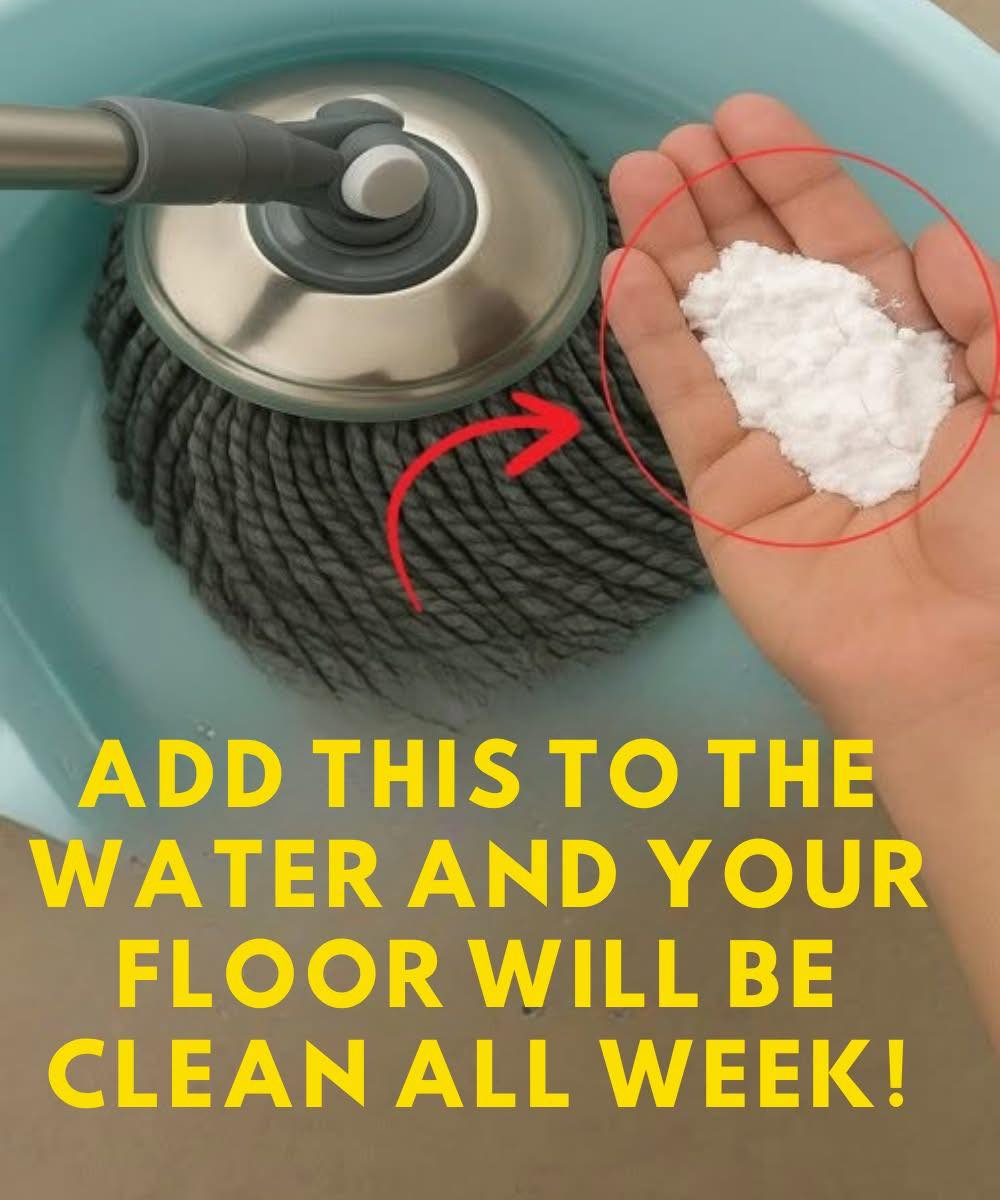
Cleaning floors can feel like a never-ending chore. No matter how often you sweep and mop, dirt, grime, and footprints seem to reappear within hours—especially in high-traffic areas like the kitchen, hallway, or living room. If you’re tired of mopping every other day or constantly chasing after muddy shoe prints, there’s good news.
ADVERTISEMENT
You don’t need expensive cleaning products or a professional service to keep your floors looking freshly cleaned. In fact, there’s a simple, inexpensive trick that homeowners and cleaning pros swear by: adding a common household ingredient to your mop water. With this method, your floors stay cleaner longer, resist dust and stains, and even smell fresher.
In this guide, we’ll uncover what to add to your mop water, how it works, and exactly how to use it to get long-lasting results. Ready to transform your floor-cleaning routine and save yourself time? Keep reading.
The Secret Ingredient That Changes Everything
ADVERTISEMENT
Why White Vinegar Works Wonders
The secret to week-long clean floors lies in a natural, multi-purpose ingredient you probably already have: white vinegar. Known for its powerful disinfectant and degreasing properties, white vinegar breaks down dirt and grime without leaving a sticky residue like some store-bought cleaners.
When diluted properly in water, it safely cleans a wide variety of flooring types—including tile, laminate, vinyl, and sealed hardwood. It not only lifts dirt and grease but also neutralizes odors and kills bacteria, making your floors look and feel truly clean.
Bonus Ingredients to Boost Results
ADVERTISEMENT
While vinegar alone is effective, combining it with other natural boosters can amplify its power. For even better results, try adding:
-
A few drops of essential oil (like lemon or tea tree) for a pleasant scent and additional antibacterial benefits
-
A teaspoon of dish soap for cutting through greasy or sticky messes
-
Rubbing alcohol (for streak-free shine on tiles or sealed wood)
These combinations can tailor your cleaning solution to match the needs of your floor and lifestyle.
Step-by-Step Guide to the Ultimate Floor-Cleaning Solution
Ingredients You’ll Need
ADVERTISEMENT
-
1 gallon of warm water
-
1/2 cup of white vinegar
-
1 teaspoon of dish soap (optional)
-
5–10 drops of essential oil (optional)
-
1/4 cup of rubbing alcohol (optional for quick-drying floors)
Instructions
-
Prepare Your Cleaning Solution
In a mop bucket, mix the warm water with white vinegar. Add dish soap and essential oils if desired. If you’re cleaning tile or sealed hardwood and want a streak-free finish, include rubbing alcohol. -
Sweep or Vacuum First
Always remove loose dirt, dust, and hair before mopping. This prevents grime from smearing and ensures the cleaning solution works effectively. -
Mop in Sections
Dip your mop into the solution, wring it out until damp (not soaking), and mop small sections at a time. This prevents puddles and protects your flooring from moisture damage. -
Let It Air Dry
Allow the floor to air dry naturally. If your mop was only damp, the floor should dry quickly without streaks. -
Enjoy a Clean Floor That Lasts
Thanks to vinegar’s ability to repel dirt and grime, you’ll notice your floors stay cleaner for days longer than with traditional methods.
Why This Method Works for Every Home
Safe for Pets and Kids
One major advantage of this natural cleaning solution is its safety. Many commercial floor cleaners contain harsh chemicals that leave behind residues, which can be harmful to small children or pets who crawl or play on the floor.
ADVERTISEMENT
White vinegar is non-toxic and evaporates quickly, leaving nothing behind but a clean surface and a neutral scent—especially if paired with essential oils like lavender or eucalyptus.
Saves You Money Long-Term
Think about how much you spend annually on brand-name floor cleaners, scented solutions, and degreasing sprays. Vinegar costs pennies per use and offers better results with less effort. When paired with reusable mop pads or microfiber cloths, this method becomes even more budget-friendly.
Reduces Cleaning Frequency
Perhaps the best benefit of using vinegar in your mop water is how it extends the time between cleanings. Its dirt-repelling nature means less dust settles on the surface, and greasy spots are less likely to stick. This gives you more time to focus on other things—like relaxing, working, or spending time with family.
Tips for Different Floor Types
Tile and Ceramic Floors
Vinegar is ideal for tile floors. It cuts through grout grime and leaves tiles looking polished. For stubborn grout lines, use an old toothbrush dipped in a paste of baking soda and vinegar.
Laminate Flooring
Use a minimal amount of water and ensure your mop is only damp. Too much moisture can cause warping. Vinegar’s fast evaporation rate makes it perfect for this surface.
Sealed Hardwood Floors
Make sure the floor has a protective seal. Avoid using vinegar full-strength. The diluted mixture works well, but always do a spot test to prevent dulling the finish.
Vinyl Floors
Vinyl flooring handles vinegar well. It lifts dirt without damaging the surface and keeps vinyl shiny without streaks or buildup.
Frequently Asked Questions
Will my home smell like vinegar?
Only briefly. Vinegar has a strong smell during application, but it dissipates as it dries. Adding essential oils like lemon or peppermint helps create a more pleasant aroma.
Can I use apple cider vinegar instead?
Technically yes, but white vinegar is preferred for cleaning due to its higher acidity and lower cost. Apple cider vinegar can leave a slight residue and is best used for specific purposes.
How often should I use this solution?
For high-traffic areas, once or twice a week is ideal. With this method, floors stay cleaner longer, so you may find you need to mop less frequently than before.
Conclusion
Keeping your floors clean doesn’t have to be a daily struggle or an expensive endeavor. With just a few common ingredients—particularly white vinegar—you can create a powerful cleaning solution that leaves your floors spotless, fresh-smelling, and resistant to grime for days.
This simple trick is more than just a cleaning hack—it’s a lifestyle upgrade. You’ll spend less time scrubbing and more time enjoying your space, knowing your floors are sparkling clean with minimal effort. Whether you’re managing a busy household, pet messes, or daily foot traffic, this natural method offers a sustainable, affordable solution.
Start using this vinegar-based cleaning method today and see the difference for yourself. You’ll wonder why you didn’t switch sooner.
Would you like a printable version of the cleaning recipe or product recommendations for eco-friendly mops and essential oils? Let me know—I can include bonus resources or shopping links optimized for affiliate earnings.
ADVERTISEMENT
