
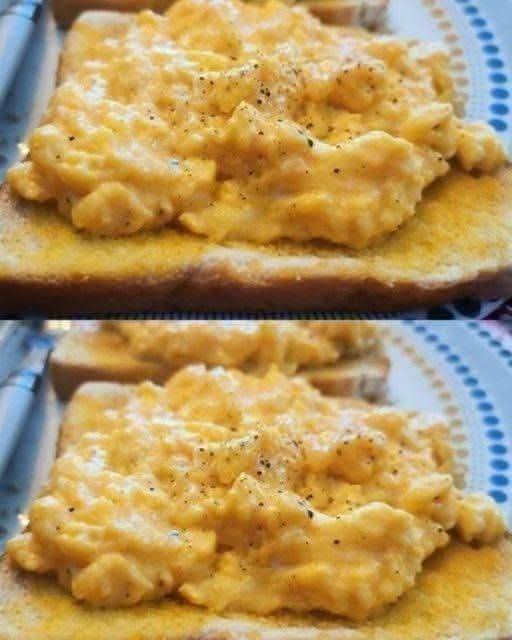
How to Cook Perfect Scrambled Eggs Every Time: A Foolproof Guide for Creamy, Fluffy Results
ADVERTISEMENT
Introduction: The Simple Art of Mastering Scrambled Eggs
Scrambled eggs are one of the most beloved breakfast staples around the world. They’re quick, affordable, versatile, and packed with protein. But despite their simplicity, they’re surprisingly easy to get wrong—ending up rubbery, overcooked, or bland. So, how do you get them right every single time?
The secret lies not just in the ingredients but in the technique. Whether you like your eggs soft and creamy or firm and fluffy, understanding a few key principles can elevate your breakfast game dramatically. In this complete guide, you’ll learn exactly how to cook scrambled eggs perfectly—every single time—using techniques trusted by chefs and home cooks alike. From choosing the best eggs to mastering the right heat, we’ll break down everything you need to know to make your morning eggs worthy of a five-star brunch.
ADVERTISEMENT
H2: Why Scrambled Eggs Deserve Your Attention
They might seem basic, but scrambled eggs are a culinary building block. Mastering them means mastering temperature control, timing, and texture. Plus, they’re endlessly customizable—from buttery French-style eggs to classic diner-style scrambles.
H2: The Best Ingredients for Perfect Scrambled Eggs
The foundation of any great dish is quality ingredients, and scrambled eggs are no exception. Let’s take a closer look at what you’ll need for the best results.
ADVERTISEMENT
H2: Choose the Right Eggs
Start with fresh, high-quality eggs. Free-range or organic eggs typically offer richer flavor and more vibrant yolks. The fresher the egg, the better the texture when cooked.
H2: Butter or Oil?
Butter is the preferred choice for scrambled eggs because it adds richness and depth. However, if you’re dairy-free or prefer a lighter option, a neutral oil like avocado or grapeseed oil works well too.
ADVERTISEMENT
H2: Milk, Cream, or Water?
Adding a small amount of liquid can influence texture. Here’s how they compare:
-
Milk: Adds moisture but can water down flavor
-
Cream: Makes eggs extra rich and silky
-
Water: Helps create a fluffier texture without adding fat
For two eggs, stick to 1 tablespoon of liquid at most. Too much can ruin the structure of the scramble.
H2: Salt and Seasoning
ADVERTISEMENT
Seasoning is often overlooked but crucial. Salt helps break down egg proteins, creating a more tender scramble. Add a pinch of salt just before cooking—not in advance—to avoid rubbery results.
H2: Mastering the Cooking Technique
Here’s where many people go wrong. Perfect scrambled eggs depend on technique more than anything else. Let’s walk through it step-by-step.
H2: Step 1: Beat the Eggs Properly
Crack your eggs into a bowl and whisk them thoroughly until the yolks and whites are fully combined. You want a uniform golden mixture with no visible streaks. Whisking incorporates air, which leads to fluffier eggs.
Pro Tip: Use a fork or balloon whisk for better control. Avoid overbeating—about 20–30 seconds is plenty.
H2: Step 2: Preheat Your Pan
Use a nonstick skillet over medium-low heat. Add butter and let it melt slowly. You don’t want it to brown—just gently melt and coat the pan.
Why Low Heat Matters: High heat causes eggs to cook too fast, making them dry and rubbery. Low and slow is the golden rule for creamy eggs.
H2: Step 3: Pour and Stir Gently
Pour in the eggs and wait a few seconds until they just begin to set. Then, use a silicone spatula to gently stir from the edges toward the center, folding the eggs over themselves.
Avoid Constant Stirring: Stir in intervals. Let the eggs rest between folds to develop curds. The more you stir, the smaller and firmer the curds will be.
H2: Step 4: Turn Off the Heat Early
One of the biggest mistakes is cooking eggs until they “look done.” They continue to cook from residual heat. Turn off the heat when they still look slightly undercooked and glossy.
Finish with a touch of butter or cream if desired, then season to taste with salt, pepper, and optional herbs.
H2: Scrambled Egg Styles: Find Your Favorite
Everyone has a personal preference when it comes to egg texture. Here are a few variations to try:
H2: Soft and Creamy (French-Style)
Cook eggs very slowly over low heat, stirring constantly with a spatula. The result is custard-like and smooth. Great with crème fraîche and chives.
H2: Classic Fluffy Scramble
Cook over medium-low heat and stir less frequently to form bigger curds. Finish with shredded cheese or herbs for extra flavor.
H2: Diner-Style Firm Scramble
Cook quickly over medium heat, stirring continuously. These eggs are firmer, drier, and perfect for breakfast sandwiches or wraps.
H2: Add-Ins to Elevate Your Scramble
Once you’ve mastered the basics, you can get creative with add-ins. Here are a few popular choices:
-
Cheese: Cheddar, feta, or goat cheese for creaminess
-
Vegetables: Spinach, mushrooms, or diced peppers for color and nutrition
-
Meat: Cooked bacon, ham, or smoked salmon for extra protein
-
Herbs: Fresh parsley, dill, or basil for brightness
Pro Tip: Pre-cook your add-ins before adding them to your eggs to avoid excess moisture and uneven cooking.
H2: Common Mistakes to Avoid
Knowing what not to do is just as important as knowing the right steps. Avoid these frequent scrambled egg blunders:
-
Overcooking: Eggs should be soft and slightly glossy, not dry or brown
-
Adding too much liquid: A tablespoon per two eggs is more than enough
-
Using high heat: This leads to rubbery, overdone eggs
-
Salting too early: This can toughen the eggs before cooking
H2: The Best Pan and Tools for Scrambled Eggs
-
Pan: A nonstick skillet (8–10 inches) offers the best results and easy cleanup
-
Spatula: A silicone spatula is ideal for folding and stirring gently
-
Whisk or fork: To beat eggs thoroughly without over-mixing
Investing in the right tools can dramatically improve your scrambled egg game.
H2: Nutritional Benefits of Scrambled Eggs
Eggs are a nutritional powerhouse. A typical serving offers:
-
High-quality protein: Essential for muscle repair and energy
-
Healthy fats: Especially in the yolk, which also provides flavor
-
Vitamins and minerals: Including B12, D, A, and choline—important for brain function and metabolism
Scrambled eggs are also low in carbs, making them a popular choice for low-carb and keto diets.
H2: Pairing Ideas for a Complete Breakfast
Want to turn your scrambled eggs into a balanced meal? Pair them with:
-
Whole grain toast or sourdough
-
Avocado slices for healthy fats
-
Fresh fruit or a smoothie
-
Greek yogurt with honey and nuts
-
Coffee or herbal tea for a satisfying morning ritual
Conclusion: Simple Steps to Scrambled Egg Perfection
Cooking the perfect scrambled eggs doesn’t require fancy ingredients or professional training—just a few simple techniques and a bit of patience. By starting with quality eggs, using the right temperature, and mastering the folding process, you can consistently create creamy, fluffy, or firm scrambled eggs exactly how you like them.
Whether you’re cooking for yourself or hosting brunch for friends, this humble dish can easily become the star of the meal. Keep experimenting with styles and add-ins, and in no time, you’ll be scrambling like a pro—every single morning.
Meta Description Concept:
Master the art of scrambled eggs with this complete guide. Learn the best techniques, ingredients, and tools for perfect, fluffy, creamy eggs every time—ideal for breakfast lovers and home cooks alike.
ADVERTISEMENT
