
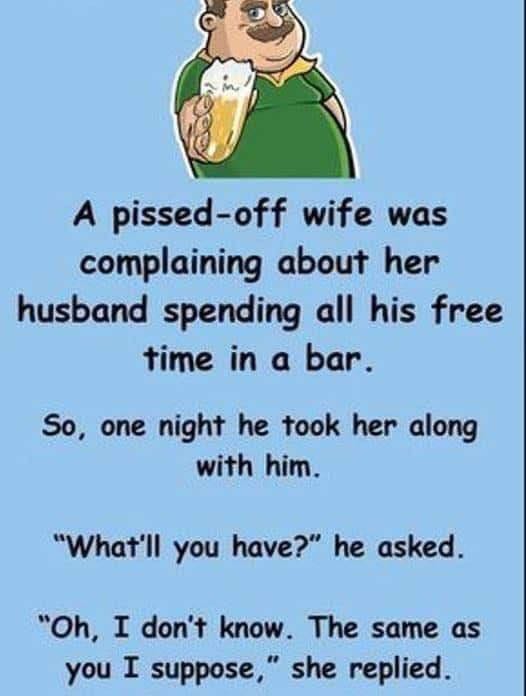
When a Local Pub Becomes the Problem: One Wife’s Breaking Point and the Bigger Issue at Hand
ADVERTISEMENT
Meta Description Concept
A wife’s frustration over her husband’s constant time at the pub reveals deeper truths about communication, emotional distance, and the hidden costs of routine escapism in relationships.
Introduction: More Than Just a Pint—When the Pub Becomes a Problem
For many, a trip to the local pub is nothing more than a harmless way to unwind. A few beers, some conversation, maybe a televised match in the background—what could go wrong? But for one woman, her husband’s frequent pub visits were more than just a night out. They became a daily point of frustration, hurt, and emotional disconnect.
A fed-up wife recently shared her distress about her husband’s growing habit of spending countless hours at their neighborhood pub. What started as a casual escape turned into a regular occurrence, slowly eroding the time they once shared as a couple. Her story resonates with countless partners who’ve felt sidelined by habits that seem trivial from the outside but are emotionally taxing on the inside.
ADVERTISEMENT
This article explores the psychology behind habitual pub visits, the emotional toll on relationships, and constructive ways couples can address these hidden rifts before they break the bond entirely. Whether you’re in a similar situation or simply want to avoid falling into this trap, read on for insight, solutions, and actionable advice.
Understanding the Appeal of the Pub: A Familiar Escape
Pubs, particularly in the UK and parts of the US, are more than drinking establishments. They are social institutions. For many, a local pub is a second home—where they feel understood, valued, and free from the pressures of work and home responsibilities.
Why Men Gravitate Toward the Pub
-
Community and camaraderie: Regulars often build close-knit friendships with others at the bar
-
Stress relief: Alcohol is a common go-to for stress, even though it’s a temporary fix
-
Routine and predictability: Knowing what to expect at the pub offers comfort in contrast to unpredictable home dynamics
-
Avoidance behavior: Time at the pub can be a subconscious strategy to avoid unresolved tension or responsibilities at home
But while it may offer short-term relief, the long-term effects can be damaging—especially when one partner feels emotionally abandoned.
ADVERTISEMENT
The Emotional Impact on a Neglected Partner
The wife’s frustration likely wasn’t just about the time spent at the pub—it was about what that time represented. When one partner chooses to spend significant time away, the other often feels like an afterthought.
Signs Your Relationship Is Being Affected
-
You feel emotionally disconnected or invisible
-
Conversations are limited to logistics and surface topics
-
You resent your partner’s priorities
-
Physical intimacy becomes rare or forced
-
You begin to doubt your own worth in the relationship
This erosion of connection doesn’t happen overnight—it’s usually the result of small daily choices that add up over time.
When Harmless Becomes Harmful: Escapism in Relationships
Escapism isn’t inherently bad. Everyone needs a break. But consistent escapism—especially when it becomes a routine method of avoiding reality—can quietly destroy relationships.
ADVERTISEMENT
Common Escapism Patterns in Relationships
-
Spending excessive time on hobbies, bars, or screens
-
Avoiding deeper conversations
-
Disengaging emotionally even when physically present
-
Creating false “busyness” to avoid intimacy
Recognizing these behaviors early can help couples take proactive steps to reconnect before things spiral.
Effective Communication: Bridging the Gap Before It Widens
One of the most damaging aspects of relationship tension is silence. The wife in this story reached a breaking point—but what if she’d felt empowered to speak up earlier? Addressing the issue before resentment builds is crucial.
How to Talk About Pub Time Without Starting a Fight
ADVERTISEMENT
-
Choose the right time: Avoid bringing it up mid-conflict or after a pub visit
-
Use “I” statements: Say “I feel lonely when…” instead of “You always…”
-
Stay curious: Ask open-ended questions about what the pub time offers him emotionally
-
Avoid ultimatums: Instead, propose solutions like setting boundaries or scheduling couple time
When both partners feel heard, the chances of change increase dramatically.
Finding Balance: Compromise Over Control
It’s not realistic—or healthy—to expect someone to stop doing something they enjoy altogether. The goal isn’t to ban pub visits, but to create balance and respect within the relationship.
Healthy Compromises That Work
-
Set frequency limits: Agree on how many days per week are reasonable
-
Establish couple rituals: Have a dedicated “date night” that isn’t negotiable
-
Involve both partners: Occasionally go to the pub together or choose shared activities
-
Replace escapism with engagement: Find other ways to relax and connect at home
When compromise becomes a shared goal rather than a punishment, it strengthens trust.
When It’s More Than Just the Pub: Recognizing Deeper Issues
In some cases, constant pub visits can point to larger problems—such as substance dependency, emotional burnout, or dissatisfaction in the relationship.
Red Flags That Need Immediate Attention
-
Alcohol consumption is increasing
-
Finances are being affected
-
Children feel the absence of one parent
-
One partner uses the pub to avoid all serious conversations
-
Emotional or physical intimacy has disappeared completely
These are not just signs of drifting—they may be symptoms of a relationship in crisis. Seeking professional help early can make all the difference.
How Couples Therapy Can Help
Many couples delay therapy because they fear it’s a sign of failure. In reality, it’s often the first step toward real healing. A therapist offers tools to rebuild communication, set boundaries, and reconnect emotionally.
Therapy Benefits Include
-
Neutral space for honest discussion
-
Insights into emotional patterns
-
Tools for conflict resolution
-
Renewed intimacy and understanding
Even a few sessions can break long-standing cycles and help both partners feel seen and heard again.
Conclusion: Don’t Wait Until the Last Pint to Speak Up
This wife’s frustration is far from unique—it reflects a common struggle in relationships where routine and retreat take the place of real connection. While the local pub might feel like a harmless refuge, unchecked habits can slowly push couples apart.
But the good news is that with open communication, mutual understanding, and a willingness to compromise, couples can turn frustration into opportunity. Relationships thrive when both people feel valued—not just for what they do, but for who they are and the time they choose to share.
So if you or someone you know is battling a similar dynamic, don’t wait until resentment spills over. The conversation might feel uncomfortable—but it could be the one that brings you closer than ever.
ADVERTISEMENT
