
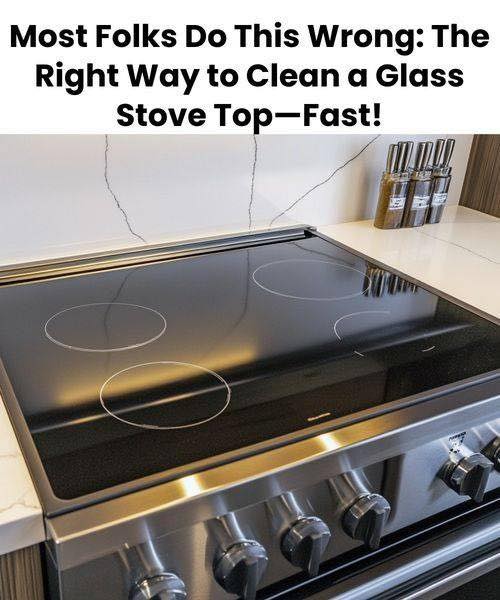
Title
Most People Clean Their Glass Stove Top Wrong—Here’s the Right (and Fastest) Way
ADVERTISEMENT
Meta Description Concept
Tired of cloudy stains and stubborn grime on your glass stove top? Learn the expert-approved, scratch-free way to clean your stovetop quickly and efficiently using simple household ingredients.
Introduction: The Hidden Problem Lurking on Your Stove Top
Glass stove tops are sleek, modern, and beautiful—until they aren’t. One pot boil-over, a few oil splatters, or a burnt sauce, and suddenly your once-sparkling surface looks dull, grimy, and stained. The worst part? Most people make common mistakes when cleaning them, leading to scratches, streaks, and even permanent damage.
If you’ve ever reached for a harsh scrubber or sprayed an all-purpose cleaner hoping for a quick fix, you may be doing more harm than good. The good news is there’s a fast, effective, and safe way to clean your glass stove top—without damaging it. In this guide, we’ll break down what you’re likely doing wrong, walk you through the correct method, and give you pro tips to keep your stove top shining like new every day.
ADVERTISEMENT
Ready to restore your cooktop to showroom quality? Let’s get started.
Why Glass Stove Tops Are Tricky to Clean
Glass stove tops are designed for easy maintenance—but only if treated with care. Unlike traditional coil burners or gas ranges, the smooth surface shows every fingerprint, spill, and scorch mark. Worse still, incorrect cleaning methods can leave behind scratches, streaks, or cloudy patches that won’t go away.
Common mistakes include:
-
Using abrasive pads or steel wool
-
Spraying with glass cleaner while the surface is still hot
-
Scraping hardened spills with metal utensils
-
Cleaning without allowing proper cooling
To clean your stove top properly—and avoid permanent damage—you need the right tools, technique, and a little bit of patience.
ADVERTISEMENT
The Best Way to Clean a Glass Stove Top (Step-by-Step)
Step 1: Allow the Stove to Cool Completely
Never attempt to clean a glass stove top while it’s still warm. Not only is it dangerous, but it also makes many cleaners less effective. Let it cool completely before getting started.
Step 2: Remove Loose Debris
Use a soft microfiber cloth or paper towel to remove crumbs, dust, or any loose debris. This prevents dirt from scratching the surface during the cleaning process.
Step 3: Apply a DIY Cleaning Paste
You don’t need commercial cleaners filled with chemicals. Instead, make a simple but effective baking soda paste:
ADVERTISEMENT
-
Mix 1/4 cup of baking soda with a few tablespoons of water to form a spreadable paste.
Gently spread this mixture over any stubborn, burnt-on stains or food residue.
Step 4: Cover With a Hot, Damp Towel
Soak a dish towel in hot water (not boiling), wring it out slightly, and lay it over the baking soda paste. Let it sit for 15 to 20 minutes. The heat and moisture help loosen hardened debris while activating the baking soda’s gentle scrubbing power.
Step 5: Wipe and Rinse
After 20 minutes, lift the towel and begin wiping in a circular motion. Most grime should come off easily. For tougher spots, use a non-abrasive sponge or a plastic scraper specifically designed for glass stove tops.
Once clean, use a clean, damp microfiber cloth to wipe away any leftover baking soda.
ADVERTISEMENT
Step 6: Buff to a Shine
To finish, spritz the surface lightly with white vinegar and buff it using a dry microfiber cloth. This removes streaks, neutralizes any residue, and restores that glossy shine.
Optional: Use a Specialized Glass Stove Top Polish
For occasional deep cleaning or shine enhancement, apply a stove top polish designed specifically for glass surfaces. Follow the manufacturer’s instructions, and avoid overuse to prevent buildup.
Pro Tips for Keeping Your Stove Top Clean Longer
1. Wipe Daily
After each use, once the stove has cooled, wipe it with a microfiber cloth to remove light spills. This prevents buildup and reduces the need for deep cleaning.
2. Avoid Using Heavy Pots That May Scratch
Glass stove tops can be scratched by heavy or rough-bottomed pots and pans. Lift cookware instead of dragging it and consider using smooth-bottomed pans only.
3. Clean Spills Immediately (Once Cool)
The longer a spill sits, the harder it will be to remove. Dried sauces or sugary spills can even etch the glass over time.
4. Never Use Harsh Scrubbers
Avoid steel wool, scouring pads, or any rough-textured cleaning tool. These can scratch the surface permanently. Stick to microfiber, soft cloths, or non-scratch scrubbers.
5. Keep a Razor Blade Scraper Handy
For occasional burnt-on messes, a razor blade scraper can be used at a 45-degree angle to gently lift residue. Always check that the scraper is safe for glass, and proceed slowly to avoid scratching.
Cleaning Mistakes That Can Ruin Your Stove Top
Using Vinegar on a Hot Surface
While vinegar is great for shine and neutralizing odors, applying it to a hot stove top can cause chemical reactions that leave white marks or streaks. Always let the surface cool.
Applying Too Much Pressure
Excessive scrubbing pressure can lead to scratches. Let your cleaner do the work. Be gentle, consistent, and patient.
Using Window Cleaner
Many window cleaners contain ammonia, which can damage the finish of a glass stove top over time. Always opt for natural alternatives or cooktop-specific products.
Using Colored Cloths That May Bleed Dye
Microfiber is best, but if using any other cloth, make sure it won’t transfer color to your stovetop—especially when wet.
Alternatives to Try for a Deeper Clean
Lemon and Baking Soda Combo
Lemon acts as a natural degreaser and deodorizer. Cut one in half, dip it in baking soda, and gently rub over greasy areas. Wipe with a damp cloth afterward.
Hydrogen Peroxide and Baking Soda Paste
For really tough stains, replace water with hydrogen peroxide in your baking soda paste. Let it sit for 10–15 minutes before wiping clean.
Castile Soap and Warm Water
For regular maintenance, mix a few drops of Castile soap in warm water and use it with a soft cloth to clean daily grime without streaks.
Why This Method Works Better Than Store-Bought Products
The baking soda and vinegar method is time-tested, safe, and chemical-free. Unlike store-bought stove top sprays that often contain harsh ingredients or leave a sticky residue, this DIY approach lifts grime gently while restoring shine naturally.
Plus, it’s budget-friendly, eco-conscious, and already in most households—meaning no extra trips to the store or money wasted on trial-and-error products.
Conclusion: Say Goodbye to Streaks, Scratches, and Grime
A gleaming glass stove top doesn’t have to be a rare sight in your kitchen. With the right routine and a few pantry staples, you can maintain a spotless, polished surface that looks brand new every day.
By ditching abrasive tools and chemical-laden sprays in favor of a natural, effective method, you’re protecting your appliance—and making cleaning less of a chore.
Whether you’re prepping for guests, tidying up after a meal, or just doing your Sunday deep-clean, this approach ensures your stove top stays in perfect condition. Give it a try and see the shine for yourself.
If you’d like a printable version of this guide or a downloadable checklist, just let me know—I’d be happy to create one.
ADVERTISEMENT
