
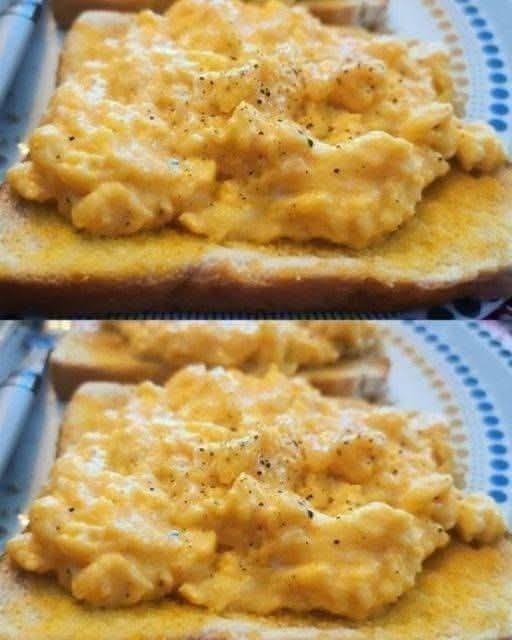
Scrambled eggs are a breakfast staple around the world. Whether you like them soft and creamy or fluffy and firm, there’s no denying their comforting simplicity and versatility. But while scrambled eggs may seem easy to make, achieving that perfect texture and flavor every time can be surprisingly elusive.
ADVERTISEMENT
How many times have you ended up with dry, rubbery eggs or ones that look more like chopped omelets than a silky scramble? The good news is that perfect scrambled eggs aren’t just for professional chefs—they’re completely doable at home with the right technique and a few insider secrets.
In this guide, you’ll learn everything you need to know to cook scrambled eggs perfectly every time. From the best type of pan to the ideal cooking temperature and timing, we’ll walk you through step-by-step instructions. Plus, we’ll include expert tips, common mistakes to avoid, and creative variations to take your eggs to the next level.
Why Scrambled Eggs Go Wrong
ADVERTISEMENT
Too Much Heat
The most common reason scrambled eggs turn out tough is cooking them on high heat. Eggs are delicate, and even a few seconds of overheating can change their texture dramatically.
Overcooking
Even if you start with the right temperature, it’s easy to leave your eggs on the heat a bit too long. The key is to remove them from the heat while they’re still slightly undercooked—they’ll continue to firm up in the pan.
ADVERTISEMENT
Using the Wrong Pan
Believe it or not, the type of pan you use can make or break your scrambled eggs. Non-stick pans are best because they prevent sticking and allow for gentle, even cooking.
Essential Ingredients for Perfect Scrambled Eggs
Fresh Eggs
ADVERTISEMENT
Always start with the freshest eggs you can find. Older eggs tend to be thinner and won’t hold their structure as well when scrambled.
Milk or Cream (Optional)
Adding a splash of milk or cream can make your scrambled eggs creamier, but it’s optional. Too much liquid can actually water down the eggs and make them runny.
Salt and Pepper
ADVERTISEMENT
Seasoning is key. A pinch of salt enhances the flavor of the eggs, while pepper adds a subtle kick. You can also experiment with spices or herbs to suit your taste.
Butter
Butter adds richness and helps prevent sticking. It also gives your scrambled eggs a beautiful golden color and a creamy finish.
Step-by-Step Instructions: How to Scramble Eggs Like a Pro
Step 1: Crack and Whisk the Eggs
Start by cracking 2–4 eggs into a bowl. Beat them thoroughly with a fork or whisk until the yolks and whites are completely combined. The more air you whip in, the fluffier your eggs will be.
Step 2: Season the Eggs Before Cooking
Add a pinch of salt and pepper to the eggs while whisking. Seasoning beforehand helps the flavor distribute evenly and breaks down the protein for a smoother texture.
Step 3: Heat the Pan on Low to Medium-Low
Place your non-stick skillet over low or medium-low heat. Add about a teaspoon of butter and let it melt slowly without browning. This step ensures that the eggs cook gently and evenly.
Step 4: Pour in the Eggs
Once the butter is melted and starts to foam, pour in your whisked eggs. Let them sit undisturbed for a few seconds until they begin to set around the edges.
Step 5: Stir Gently with a Spatula
Using a silicone or rubber spatula, gently push the eggs from the edges toward the center. Continue this folding motion every few seconds. Avoid constant stirring, which can break the curds and make the texture grainy.
Step 6: Remove from Heat Slightly Early
When the eggs are about 90% cooked—still shiny and slightly wet—remove the pan from heat. The residual warmth will finish cooking them perfectly without overdoing it.
Step 7: Serve Immediately
Plate your scrambled eggs right away. If you wait too long, they can continue cooking in the hot pan and become overdone.
Pro Tips for Perfect Scrambled Eggs
Use a Cold Start for Extra Creaminess
For ultra-creamy scrambled eggs, some chefs recommend starting with a cold pan and stirring constantly over very low heat. This technique takes longer but results in a luxurious texture.
Add Cheese for Extra Flavor
A sprinkle of shredded cheddar, parmesan, or goat cheese can transform your scramble into something gourmet. Add it just before removing the eggs from the heat so it melts gently.
Stir in Fresh Herbs
Fresh chives, parsley, or dill add a burst of color and flavor. Add herbs at the end of cooking for the best results.
Use Cream Cheese or Sour Cream
Mixing a spoonful of cream cheese or sour cream into your eggs right before serving can add richness and make your eggs unbelievably soft.
Common Mistakes to Avoid
Using High Heat
This is the fastest way to ruin scrambled eggs. Stick to low and slow for the best results.
Not Whisking Enough
Half-mixed eggs will result in uneven color and texture. Whisk until you see a consistent, pale yellow mixture.
Cooking in Stainless Steel Pans
Even seasoned chefs struggle with eggs sticking to stainless steel. Stick with a non-stick or well-seasoned cast-iron skillet for smooth cooking.
Letting Eggs Sit in the Pan
Once the eggs are cooked, get them out of the pan. Leaving them in even for a minute can lead to dryness.
Creative Scrambled Egg Variations
Mediterranean Style
Add sautéed spinach, feta cheese, and cherry tomatoes for a fresh, Mediterranean twist.
Tex-Mex
Mix in diced jalapeños, bell peppers, onions, and top with salsa and avocado slices.
Breakfast Bowl
Serve scrambled eggs over rice or quinoa with grilled veggies and a drizzle of hot sauce.
Keto-Friendly
Cook your eggs in ghee or coconut oil and pair them with avocado and bacon for a low-carb, high-fat breakfast.
Nutrition Benefits of Scrambled Eggs
Scrambled eggs aren’t just tasty—they’re packed with nutrition. Each egg contains high-quality protein, essential amino acids, and important vitamins such as B12, D, and A. They also provide healthy fats and are one of the most affordable sources of complete protein.
For those watching cholesterol, it’s worth noting that while eggs do contain dietary cholesterol, studies now show they have a minimal effect on blood cholesterol for most people. As always, moderation is key.
Conclusion
Scrambled eggs are more than just a quick breakfast—they’re an art form. With the right technique, ingredients, and a bit of patience, anyone can cook scrambled eggs that are creamy, fluffy, and full of flavor. By mastering this simple dish, you’ll have a go-to meal for any time of day, whether it’s breakfast, brunch, or even dinner.
Remember to cook low and slow, use fresh ingredients, and avoid overmixing or overcooking. Don’t be afraid to experiment with add-ins to make your scrambled eggs uniquely yours. From herbs and cheese to vegetables and spices, the possibilities are endless.
Once you nail this essential skill, you’ll never settle for dry, rubbery eggs again. Perfect scrambled eggs are within your reach—every single time.
Would you like a printable recipe card or a downloadable egg cooking cheat sheet? Just let me know, and I’ll be happy to create one for you.
ADVERTISEMENT
