
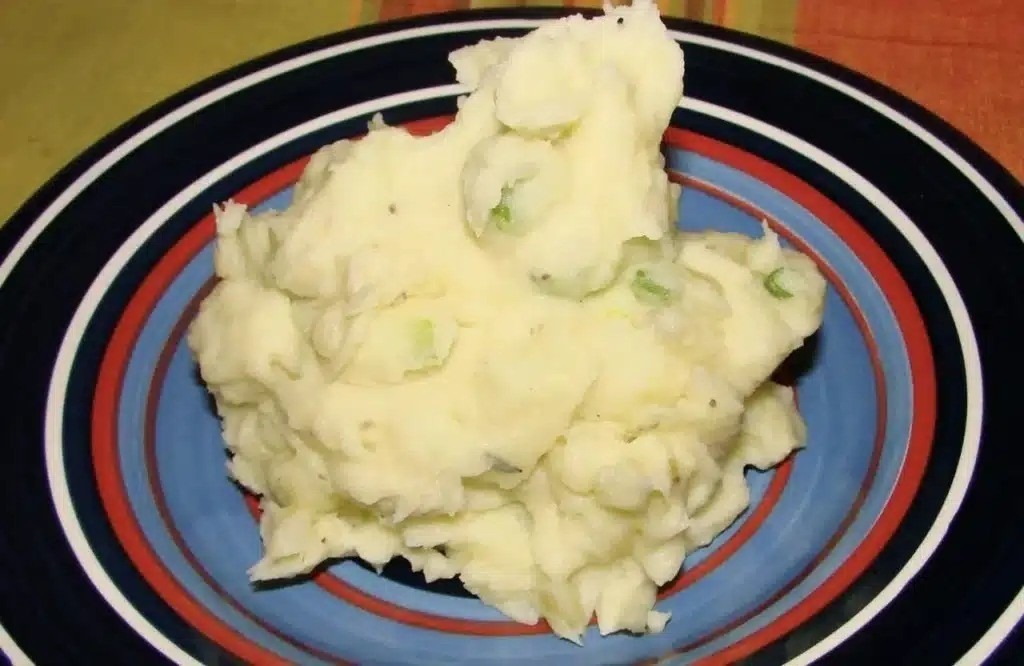
Mashed potatoes are one of the most comforting and beloved side dishes on any dinner table. Creamy, fluffy, and rich in flavor, they seem simple enough—just boil, mash, and season, right? But what if the way you’ve been boiling your potatoes is actually doing more harm than good?
ADVERTISEMENT
Most people instinctively reach for a pot of water to boil their potatoes, assuming it’s the traditional and correct method. However, professional chefs and culinary experts have a different opinion. They argue that boiling potatoes in plain water may be the reason your mashed potatoes turn out bland, watery, or uneven in texture.
In this article, we’re uncovering the truth about boiling potatoes for mashed potatoes. You’ll learn why water isn’t always the best choice, what to use instead, and how to elevate your mash to restaurant-quality results at home. Whether you’re making a holiday meal or weeknight comfort food, these insights will change the way you cook mashed potatoes forever.
The Hidden Problem with Boiling Potatoes in Water
ADVERTISEMENT
Flavor Loss Through Boiling
One of the biggest drawbacks to boiling potatoes in water is flavor loss. Potatoes are porous by nature, and when submerged in water, they tend to release their natural starches and absorb the surrounding liquid. Unfortunately, water doesn’t offer much in return.
The result? A noticeable reduction in the earthy, slightly sweet flavor that makes mashed potatoes so enjoyable. By boiling in water, you’re essentially diluting the taste of the very ingredient you’re trying to showcase.
Texture Issues from Over-Watering
ADVERTISEMENT
Another issue with using water is texture. If potatoes absorb too much water during boiling, they become waterlogged. This can lead to:
-
Gummy or gluey mashed potatoes
-
Inconsistent texture
-
Difficulty absorbing butter, cream, or seasoning later
A watery base won’t hold onto the rich dairy ingredients that give mashed potatoes their luxurious texture. Instead of smooth and fluffy, you may end up with lumpy, soggy, or overly sticky results.
Loss of Nutrients
Boiling in water also drains the potatoes of important nutrients, especially if they’re peeled beforehand. Water-soluble vitamins like vitamin C and B-complex vitamins leach into the boiling water and are lost when drained. Over time, this diminishes the nutritional value of your dish.
ADVERTISEMENT
The Better Way to Cook Potatoes for Mashed Potatoes
Try Cooking Potatoes in Milk or Cream
Instead of boiling in water, try simmering your potatoes in milk, cream, or a combination of both. This method enhances flavor and improves texture in several ways:
-
The fat in dairy helps preserve flavor
-
Starches bind more naturally to creamy liquids
-
The end result is rich, silky, and deeply satisfying
Here’s a simple method:
ADVERTISEMENT
-
Peel and chop your potatoes evenly.
-
Place them in a saucepan and cover with milk or cream (you can add a splash of chicken stock for depth).
-
Simmer gently over medium-low heat until tender—avoid boiling to prevent scorching.
-
Once soft, mash them right in the same pot using the dairy they were cooked in.
Steam Instead of Boil
If you’d rather not cook in milk, steaming is another excellent alternative. Steaming retains the potatoes’ flavor and structure while minimizing water absorption. You’ll preserve more nutrients and get a drier texture that’s ideal for mashing with butter, cheese, or cream.
Here’s how to steam your potatoes:
-
Use a steamer basket over boiling water
-
Keep the potatoes covered and cook for 15–20 minutes
-
Test with a fork for tenderness
-
Mash as desired once they’re soft
Roasting: A Flavor-Enhancing Option
For a more advanced twist, consider roasting your potatoes before mashing. Roasting intensifies the natural flavors and adds a slight caramelization that brings depth to the dish.
Steps to roast before mashing:
-
Chop potatoes into chunks and toss with a small amount of oil or butter
-
Roast at 400°F (200°C) for about 30–40 minutes
-
Once fork-tender, mash with warm cream or butter for a bold, rich result
Chef-Approved Tips for Perfect Mashed Potatoes
Use the Right Type of Potato
Not all potatoes are created equal. The best varieties for mashing include:
-
Russet potatoes: High starch, fluffy texture
-
Yukon Gold: Naturally buttery, slightly creamy
-
Avoid waxy potatoes: Red or new potatoes can turn gummy when mashed
Warm Your Dairy
Whether you’re using milk, cream, or butter, make sure it’s warm before adding it to your mash. Cold ingredients can shock the starch and cause a gluey consistency.
Season Generously—But Smartly
Salt the cooking liquid (whether it’s milk or broth) to start flavoring the potatoes early. After mashing, taste and adjust with salt, pepper, garlic, or even nutmeg for a gourmet touch.
Don’t Over-Mash
Overworking your potatoes, especially with a blender or food processor, breaks down the starches too much. This leads to a gummy or sticky mess. Instead, use:
-
A potato masher for rustic texture
-
A ricer for ultra-smooth consistency
Creative Add-Ins to Boost Your Mashed Potatoes
Infused Butter or Garlic Oil
Melt butter with rosemary, thyme, or crushed garlic to create an aromatic infusion. Add it to your mash for an extra layer of flavor that’s subtle but impactful.
Cream Cheese or Sour Cream
Want creamier, tangier mashed potatoes? Blend in a few tablespoons of cream cheese or sour cream. This adds richness and balances the starchiness beautifully.
Roasted Vegetables or Herbs
Mix in roasted garlic, caramelized onions, chopped chives, or fresh parsley. These ingredients bring color, flavor, and a gourmet twist to a humble dish.
Conclusion
Boiling your potatoes in water might be the traditional way, but it’s not the best. From flavor dilution and waterlogging to nutrient loss and uneven texture, this outdated method leaves a lot to be desired.
Instead, consider simmering your potatoes in milk, steaming them, or even roasting them to enhance flavor and achieve the perfect creamy texture. Combine these cooking techniques with chef-recommended tips like using the right potato variety, warming your dairy, and avoiding over-mashing—and you’re guaranteed mashed potatoes that are smooth, rich, and full of flavor.
Whether you’re preparing a holiday feast or a simple weeknight dinner, making this small change can transform your mashed potatoes from average to unforgettable. So next time you’re about to boil a pot of water, stop and try one of these alternatives. Your taste buds—and your dinner guests—will thank you.
Would you like a downloadable mashed potato recipe guide with all these tips included? Let me know and I’ll create one for easy access in your kitchen!
ADVERTISEMENT
