
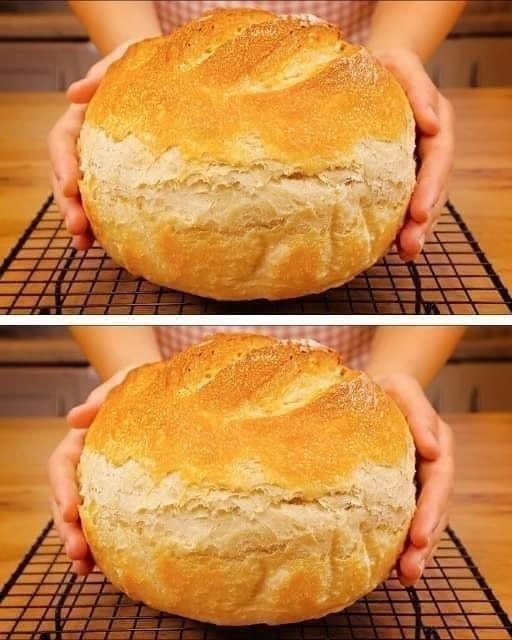
What if you could bake fresh, warm, homemade bread with just five minutes of effort? No kneading, no complicated techniques—just real ingredients and incredible results. It sounds too good to be true, but this traditional German bread recipe makes it possible.
ADVERTISEMENT
Whether you’re a seasoned home cook or a complete beginner, this no-fuss bread recipe is a game-changer. German cuisine is known for hearty, rustic loaves packed with flavor and nutrition, and this method captures that magic—minus the time and labor. You don’t need a bread machine or special flour. In fact, the ingredients are likely already in your kitchen.
In this article, you’ll learn exactly how to make this five-minute bread, including a step-by-step guide, useful tips, and creative variations to suit your taste. Plus, we’ll explore the health benefits of homemade bread and how it compares to store-bought loaves. If you’re ready to make baking a breeze, read on.
Why This German Bread Recipe Is So Popular
ADVERTISEMENT
A Tradition Rooted in Simplicity
Germany has one of the richest bread cultures in the world, with over 3,000 officially recognized types of bread. What makes this recipe special is that it draws from the simplicity and wholesomeness of traditional German baking—focusing on basic ingredients, no additives, and a foolproof process.
This bread doesn’t require you to spend hours in the kitchen. In fact, your actual hands-on time is under five minutes. It’s the perfect solution for busy mornings, last-minute dinner prep, or anytime you want that fresh-baked taste without the hassle.
Healthy and Hearty Ingredients
ADVERTISEMENT
Unlike many supermarket breads loaded with preservatives and refined sugar, this German-inspired version uses just a few natural, wholesome ingredients:
-
Whole grain or rye flour
-
Warm water
-
Instant yeast
-
Salt
-
Optional: seeds like sunflower, flax, or pumpkin
These ingredients create a dense, nutritious loaf that’s perfect for slicing, toasting, or pairing with soups and salads.
Step-by-Step: How to Make 5-Minute German Bread
Ingredients You’ll Need
ADVERTISEMENT
-
3 cups (375g) whole wheat or rye flour
-
1 ½ cups (360ml) warm water
-
1 packet (7g) instant dry yeast
-
1 ½ teaspoons salt
-
Optional: 1/4 cup sunflower or pumpkin seeds
Instructions
-
Combine Dry Ingredients
In a large mixing bowl, add the flour, salt, and instant yeast. Stir briefly to combine. -
Add Warm Water
Slowly pour in the warm water (not hot—around 105°F or 40°C) and stir with a spoon or spatula until a sticky dough forms. No kneading is needed. -
Let It Rise
Cover the bowl with a clean towel and let the dough rise for 30–60 minutes in a warm, draft-free spot. It should double in size. -
Preheat the Oven
While the dough rises, preheat your oven to 425°F (220°C). Place a baking dish filled with water on the bottom rack to create steam—this helps form a crispy crust. -
Prepare Your Pan
Lightly grease a loaf pan or line it with parchment paper. Pour the risen dough into the pan and smooth the top with a spatula. -
Bake for 40–45 Minutes
Place the pan in the middle rack and bake until the crust is golden and the loaf sounds hollow when tapped. Let it cool before slicing.
Tips for Success
Use the Right Flour
German bread is often made with whole grains or rye flour, which offer deeper flavor and more nutrition. If you’re new to baking, try a 50/50 mix of whole wheat and all-purpose flour to get the best texture.
ADVERTISEMENT
Don’t Skip the Steam
Creating steam in the oven gives the bread that classic crusty exterior. Simply placing a small pan of water in the oven while baking does the trick.
Add-Ins for Extra Flavor
Want to mix things up? Here are a few delicious ideas to stir into your dough:
-
Chopped nuts for crunch
-
Herbs like rosemary or thyme
-
Shredded cheese for a savory twist
-
Dried cranberries or raisins for a touch of sweetness
Storage and Freshness
Store your bread in a linen or cotton bag at room temperature for up to 3 days. You can also slice and freeze individual portions—perfect for toasting anytime.
Why Homemade Bread Is Worth the Effort
Better for Your Health
Store-bought bread often contains high-fructose corn syrup, emulsifiers, and preservatives. Homemade bread lets you control the ingredients, reduce sodium, and skip the sugar. Plus, using whole grain flours adds fiber, B vitamins, and essential minerals.
Cost-Effective and Convenient
Baking your own bread costs pennies per loaf compared to artisanal bakery prices. And with a recipe that takes under five minutes of prep time, you can easily make it part of your weekly routine.
A Satisfying and Rewarding Habit
There’s something uniquely satisfying about baking your own bread—even more so when it takes so little time. Your kitchen smells amazing, your meals are instantly elevated, and you gain the joy of creating something nourishing from scratch.
How to Serve and Enjoy German Bread
As a Breakfast Staple
Slice and toast your bread, then top it with butter, honey, jam, or soft cheese for a traditional German-style breakfast. Pair it with a hot cup of coffee or herbal tea for a cozy morning.
For Lunch or Snacks
This bread makes the perfect base for open-faced sandwiches. Try it with sliced avocado, smoked salmon, or hummus and sprouts. It’s also a great addition to lunchboxes—just add cold cuts, cheese, and a pickle.
With Soups and Stews
The dense, hearty texture of this bread makes it ideal for dipping into soups, broths, or hearty stews. It holds up beautifully and adds a rustic touch to any meal.
Conclusion
If you’ve ever dreamed of baking your own bread but felt overwhelmed by the time or technique, this five-minute German recipe is your new go-to. It’s quick, easy, and delivers all the warm, comforting qualities of homemade bread—without the work.
From busy families to solo food lovers, this bread fits into almost any lifestyle. It’s nutritious, delicious, and endlessly customizable. All you need is a few simple ingredients, a bowl, and an oven—and in under an hour, you’ll be slicing into a loaf of fresh, homemade goodness.
Why not give it a try today? Once you taste the difference, you may never go back to store-bought again.
Would you like a printable version of this recipe or a gluten-free adaptation? Let me know, and I can create a downloadable guide for your kitchen!
ADVERTISEMENT
