
ADVERTISEMENT
—
## Understanding the Difference Between Oranges with “Big Navel” and “Small Navel”
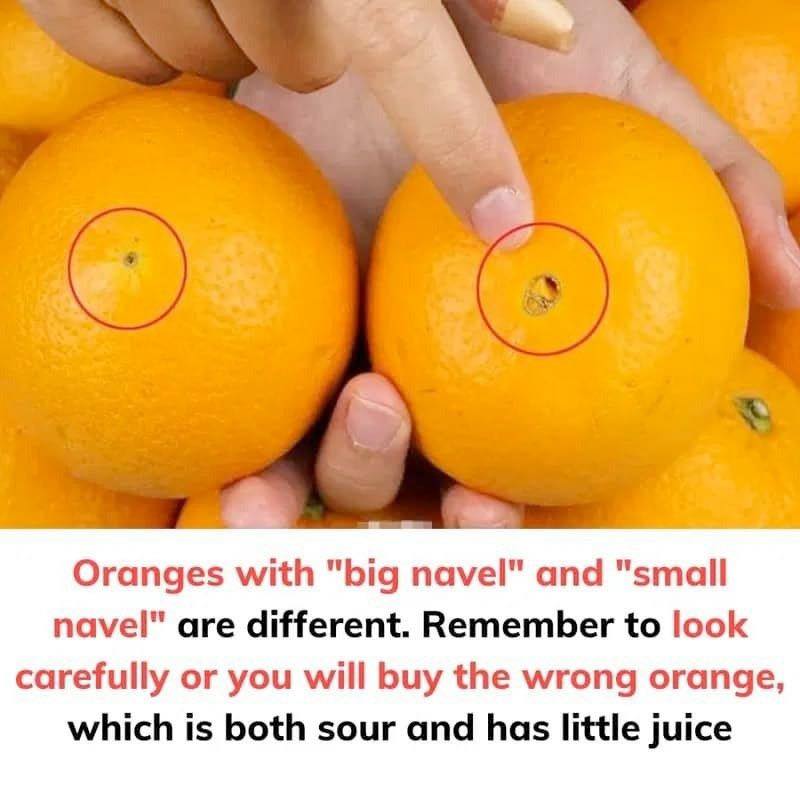
When shopping for navel oranges, you might notice that some have a large, prominent “navel” (the small, secondary fruit on the blossom end), while others have a much smaller one. But what does this difference mean? Are these oranges different in taste, texture, or quality?
ADVERTISEMENT
### What Is the Navel in Oranges?
The “navel” is a small, undeveloped secondary fruit that grows at the opposite end of the stem. This characteristic is what gives navel oranges their name. The size of this navel can vary, leading to what people often call “big navel” or “small navel” oranges.
### Differences Between Big Navel and Small Navel Oranges
* **Appearance:** Big navel oranges have a larger, more noticeable navel that looks like a small fruit embedded in the peel. Small navel oranges have a tiny, less obvious navel.
* **Taste and Texture:** Generally, there’s no significant difference in taste or texture based solely on the size of the navel. Both types are sweet, juicy, and seedless.
* **Peel Thickness:** Some people find that big navel oranges have slightly thicker skin, but this can vary depending on the variety and growing conditions.
* **Growing Conditions:** The size of the navel can be influenced by the orange variety, growing region, and climate factors, rather than indicating a different species or quality.
ADVERTISEMENT
For Complete Cooking STEPS Please Head On Over To Next Page Or Open button (>) and don’t forget to SHARE with your Facebook friend
ADVERTISEMENT
